Washington Mobile Mechanics Company
202-980-1410
Brake Repair Service in Washington DC
Mobile Brake Service in Washington, District of Columbia
Washington roads require a lot of brake usage. Between downtown stop-and-go traffic, tight parking lanes in Capitol Hill, sudden bike lane merges, and unpredictable drivers on New York Ave, your braking system works overtime just to get you through an average day. When something starts to feel off—grinding, squeaking, fading pedal pressure—you don’t have time to hunt for an open shop, sit in traffic, or leave your vehicle somewhere for hours. That’s why our mobile brake repair team in Washington DC brings the tools, the parts, and the experience straight to your street, alleyway, or garage.
We show up wherever your vehicle is parked: rowhouse blocks in Shaw, condo garages in Navy Yard, office lots downtown, or residential neighborhoods stretching out through Northeast and beyond. Once we’re on-site, we perform a full brake system assessment, looking at pads, rotors, calipers, brake hoses, hardware, and fluid condition. If a component is worn, warped, seized, or leaking, we replace it right there without dragging you into a shop or upselling things you don’t need.
Brake repairs shouldn’t require rearranging your entire day. In DC, where people juggle work, transit, school runs, and city traffic, convenience and speed matter. We bring dealership-level accuracy and hands-on expertise directly to you so you can get back on the road safely without losing half your week dealing with a repair shop.

Signs You May Need Brake Repair Service
Your brakes rarely fail all at once. Instead, they send early warnings—subtle changes that grow louder the longer you ignore them. DC’s dense traffic patterns make those symptoms even more noticeable: constant stops, sudden slowdowns, and frequent hill starts around Georgetown and Adams Morgan expose weaknesses fast. Paying attention to those early signs keeps you from facing bigger, more expensive problems down the line.
Below are the four major indicators your braking system needs immediate attention, each explained in detail so you know exactly what to look for.
Scraping, Squeeling or Metal-on-metal Sounds
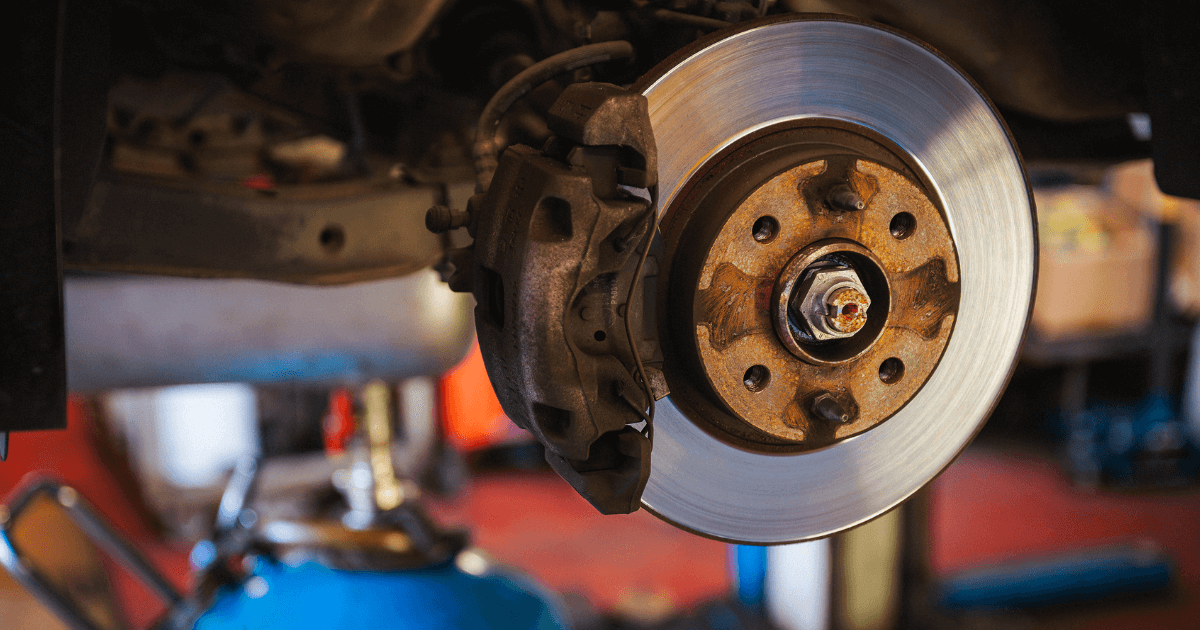
When you press the brake pedal and hear high-pitched squeaks, scraping noises, or the unmistakable growl of metal-on-metal contact, your brake pads have likely worn thin. Modern pads include built-in indicators that squeal intentionally as a warning, but once the sound turns harsher or more grinding, the pad material is gone. That means the metal backing plate is digging directly into the rotor, creating grooves, heat damage, and uneven wear. Not only does this reduce stopping power—it dramatically increases repair costs if left untreated. In a fast-moving city like DC, losing even a fraction of your braking strength can make daily driving risky.
Soft or Sinking Brake Pedal
If your brake pedal feels like it’s sinking too far, responds slowly, or feels mushy instead of firm, something is wrong in the hydraulic system. Possible issues include air in the brake lines, a failing master cylinder, leaking fluid, or worn seals. Unlike noises or vibrations, a soft pedal is a direct threat to your ability to stop quickly. In Washington’s tight, unpredictable traffic—especially near roundabouts or narrow one-way streets—this kind of pedal behavior demands immediate attention before the system fails entirely.
Vibrations or Pulsing in Steering Wheel or Pedal
A pulsing pedal or vibrating steering wheel when braking often points to uneven or warped rotors. DC’s driving patterns—like slowing on steep residential streets, stopping frequently in heavy traffic, or riding the brakes down long avenues—generate heat that can easily distort rotors over time. Once that metal warps, every press of the pedal causes uneven contact, reduced braking efficiency, and extended stopping distances. Ignoring vibrations often leads to more components wearing prematurely, so early repair saves both money and safety.
Burning Smell or Excessive Heat After Driving
A sharp, chemical-like burning odor after braking—especially after just a short drive—usually means a caliper is sticking or a brake pad is dragging. When the caliper can’t release fully, friction builds nonstop, heating up the rotor and cooking the pad material. This doesn’t just wear the brakes out quickly; it can boil brake fluid, damage wheel bearings, and reduce braking power dramatically. In a city with as many stoplights, rush-hour crawls, and sudden stops as DC, heat issues build fast and escalate even faster.
Your brakes are the most important safety system on your vehicle, and Washington, DC driving leaves zero room for hesitation or slow stopping power. When your brakes feel wrong, sound wrong, or respond differently, don’t wait. We bring full brake repair service—diagnostics, parts, tools, and experience—to your exact location so you can get reliable stopping power without the inconvenience of a shop visit. Whether you’re parked near the National Mall, in a tight Dupont Circle alley, or outside your home in Brookland, call our mobile mechanics for help, and we’ll get your brakes fixed right where you are.